Car Photography: Capturing Motion, Style, and Culture
Introduction
Car photography, an art form that has evolved alongside the automotive industry, is a powerful medium for conveying the beauty, performance, and cultural significance of motor vehicles. It transcends mere documentation, becoming a visual narrative that tells stories of speed, design, and human ambition. This article delves into the multifaceted world of car photography, exploring its historical roots, global impact, economic implications, and technological innovations. By examining these aspects, we aim to provide an insightful guide for both aspiring photographers and enthusiasts interested in understanding this captivating genre.
Understanding Car Photography
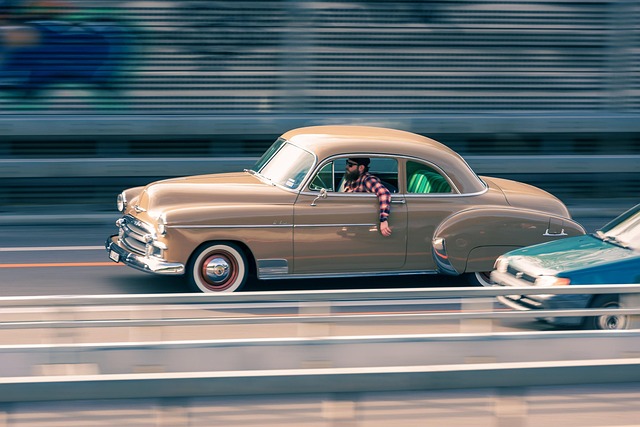
Definition: Car photography is a specialized form of automotive visual storytelling that involves capturing images of cars in various settings, focusing on their aesthetic appeal, technical details, and the overall driving experience. It encompasses static shots of meticulously posed vehicles as well as dynamic action photographs of cars in motion.
Core Components:
- Lighting: Mastery of lighting techniques is crucial. Natural light, studio lighting, or creative use of flash units can dramatically enhance a car's features.
- Composition: Careful framing and composition ensure that the photograph not only showcases the car but also tells a visual story.
- Lenses: Different lenses offer unique perspectives, from wide-angle shots to telephotos, each adding a distinct look to car photography.
- Post-processing: Digital editing plays a significant role in enhancing images, ensuring consistency, and conveying artistic vision.
Historical Context: The roots of car photography can be traced back to the early 20th century when automobiles were becoming more accessible and popular. As cars evolved from mere modes of transportation to symbols of status and style, photographers found inspiration in their sleek designs and dynamic movement. Over time, car photography has progressed from simple documentation to a sophisticated art form, influenced by technological advancements and changing aesthetic preferences.
Significance: Car photography serves multiple purposes:
- Marketing and Advertising: It is an essential tool for automotive brands to showcase their vehicles' aesthetics and performance, influencing potential buyers.
- Documentation: Records of classic cars, custom builds, and rare models are created through photography, preserving their beauty for future generations.
- Artistic Expression: Many photographers use car photography as a medium to express creativity, pushing artistic boundaries and challenging conventions.
- News and Journalism: Automotive journalists rely on photographs to convey news, reviews, and features related to the latest vehicle launches and industry trends.
Global Impact and Trends
Car photography's influence is felt worldwide, with distinct regional variations and trends shaping its evolution:
| Region |
Trends/Impact |
Notable Examples |
| North America |
Focus on performance cars and custom builds. The "American Muscle" and "Hot Rod" aesthetics have a global following. |
Car shows like SEMA (Specialty Equipment Market Association) in Las Vegas showcase extreme customizations. |
| Europe |
Emphasis on design sophistication and environmental sustainability. European car photography often highlights sleek, minimalist designs. |
Brands like Porsche and Audi are known for their visually stunning advertisements shot across iconic European locations. |
| Asia |
Rapid growth in the automotive industry has led to a surge in car photography, especially showcasing luxury and electric vehicles. |
Japan's Car Photography Magazine and South Korea's Auto Photo Festival attract international attention. |
| Middle East |
Expensive supercars and unique desert landscapes create dramatic backdrops for car photography. |
The Dubai Autoshow features stunning desert shots of high-performance cars. |
Economic Considerations
The car photography industry is a significant contributor to global economic systems, with multiple interconnected sectors:
Market Dynamics:
- Automotive Industry: Car manufacturers invest heavily in professional photography to promote their vehicles effectively.
- Photography Services: Specialised car photography studios and freelance photographers cater to the automotive sector, offering diverse services from product shots to promotional campaigns.
- Print and Digital Media: Automotive magazines, websites, and social media platforms rely on high-quality car photography to engage audiences.
Investment Patterns:
- Car photography is a lucrative niche for investors, with potential returns from stock photography sales, advertising revenue, and partnerships with automotive brands.
- Startups focusing on immersive digital experiences, such as virtual car showrooms, are attracting investments, leveraging advanced photography techniques.
Technological Advancements
Technology plays a pivotal role in shaping the future of car photography:
High-Resolution Cameras: The advent of high-megapixel sensors has revolutionized car photography, allowing for greater detail and versatility.
Drone Photography: Drones equipped with high-quality cameras enable aerial perspectives, offering dynamic new angles for car shots, especially in challenging terrains or urban settings.
Virtual Reality (VR) and Augmented Reality (AR): These immersive technologies are transforming how cars are experienced and presented. VR showrooms allow buyers to explore vehicles virtually, while AR enhances the test-drive experience with interactive features.
Image Processing Software: Advanced editing software provides tools for precise color grading, retouching, and compositing, enabling photographers to achieve unique artistic effects.
Policy and Regulation
The car photography industry is subject to various policies and regulations that vary by region:
- Copyright Laws: Protecting intellectual property rights is crucial, ensuring that photographers are credited and compensated for their work.
- Environmental Regulations: In regions with strict emissions standards, car photography often needs to showcase vehicles in compliance with these regulations.
- Safety Standards: For on-road photography, adherence to traffic rules and safety protocols is essential, especially when involving moving cars.
- Privacy Concerns: Photography of private properties or individuals requires consent, and laws vary regarding public spaces and capturing license plates.
Challenges and Criticisms
Car photography faces several challenges, but these can be addressed through strategic solutions:
Challenges:
- Competition from Stock Imagery: Websites offering vast libraries of stock car images provide quick but generic solutions, making it challenging for photographers to stand out.
- Dynamic Nature of the Subject: Capturing cars in motion requires specialized equipment and skills, adding complexity to photography sessions.
- Environmental Concerns: Shooting in diverse locations raises environmental issues, from pollution to disturbing ecosystems.
Criticisms: Some critics argue that car photography often prioritizes aesthetics over functionality, leading to a focus on style over substance.
Strategic Solutions:
- Specialization and Niche Markets: Photographers can differentiate themselves by specializing in specific genres or vehicle types, catering to unique client needs.
- Sustainable Practices: Adopting eco-friendly locations and techniques can mitigate environmental impacts while promoting responsible photography.
- Educational Initiatives: Workshops and resources that teach the art and business of car photography can enhance skills and foster a more critical approach.
Case Studies: Successful Applications
Case Study 1: "The Art of Speed" - A Global Exhibition
A successful international exhibition, "The Art of Speed," showcased the work of renowned car photographers from around the world. The exhibition featured a diverse range of vehicles, from vintage racing cars to modern hypercars, each captured with exceptional artistic flair. This event highlighted:
- Global Appeal: Car photography transcends borders, attracting enthusiasts and collectors worldwide.
- Creative Expression: Photographers pushed boundaries, experimenting with unconventional compositions and editing techniques.
- Community Engagement: The exhibition fostered a sense of community among car photography enthusiasts, inspiring collaboration and dialogue.
Case Study 2: Custom Car Shows and Brand Partnerships
Many automotive brands collaborate with custom car builders and photographers to create immersive experiences at car shows. For instance, a partnership between a premium car manufacturer and a renowned photography studio resulted in an interactive exhibit where visitors could explore custom-built vehicles through 360-degree photography and virtual reality. This collaboration:
- Enhanced Customer Experience: Offered potential buyers a unique way to engage with vehicles, providing a personalized experience.
- Branded Content: Created high-quality, shareable content that increased brand visibility and engagement on social media.
- Creative Collaboration: Fused automotive expertise with photography skills, resulting in innovative marketing strategies.
Future Prospects
The future of car photography looks promising, with several growth areas and emerging trends:
- Immersive Experiences: Virtual and augmented reality will continue to transform how cars are experienced and marketed, providing interactive, personalized journeys.
- Sustainability Focus: As environmental concerns grow, car photography will need to showcase eco-friendly vehicles and practices, aligning with global sustainability goals.
- Data-Driven Insights: Advanced analytics will enable photographers and brands to gain insights into consumer preferences, tailoring content accordingly.
- Global Collaboration: The industry is poised for increased international collaboration, fostering diverse creative exchanges and cultural exchanges.
Conclusion
Car photography is a dynamic art form that continues to evolve alongside technological advancements and changing consumer tastes. From its early roots as a means of documenting automobiles to its current status as a powerful marketing and artistic tool, car photography has left an indelible mark on the automotive industry and the visual arts. As we look ahead, the genre's ability to capture the essence of speed, design, and human ambition ensures its relevance and continued growth.
FAQ Section
Q: What equipment is essential for starting a car photography business?
A: Essential gear includes a high-quality DSLR or mirrorless camera, various lenses (wide-angle, telephoto, and macro), a sturdy tripod, lighting equipment, and editing software.
Q: How can I get permission to photograph cars in public spaces?
A: Respect local laws and obtain permits when necessary. Always ask for consent from vehicle owners or relevant authorities, especially if you plan to publish the images commercially.
Q: What are some tips for capturing dramatic car shots in bad weather?
A: Use a weather-resistant camera and lens, experiment with different angles, and consider using reflectors or diffusers to control light. Dramatic cloud backgrounds and rain drops on windshields can create captivating images.
Q: How important is post-processing in car photography?
A: Post-processing is crucial for enhancing the visual impact of your images. It allows you to correct exposure, adjust colors, remove distractions, and apply artistic filters or effects to tell a compelling story.
Q: Can car photography be a sustainable practice?
A: Yes, car photography can embrace sustainability by choosing eco-friendly locations (e.g., car parks, empty lots), using portable lighting for minimal energy consumption, and promoting environmentally conscious automotive brands and vehicles.