
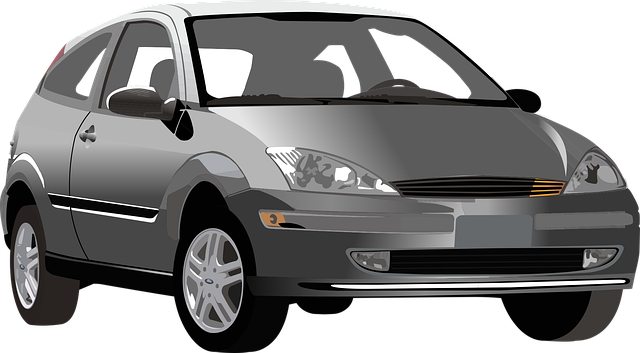
Registering a car in California is not just a bureaucratic formality; it’s a crucial step for any vehicle owner, ensuring legal compliance and access to public roads. However, navigating the process can be a challenge, with its intricacies often shrouded in confusion. This article serves as your comprehensive guide, demystifying each step involved. We’ll walk you through the requirements, from gathering essential documents to the critical role of VIN verification in ensuring the authenticity of your vehicle. By the end, you’ll be equipped with the knowledge to register your car smoothly and securely.
- Prepare Required Documents for Car Registration
- Understand California's Vehicle Identification Number (VIN) Verification Process
- Visit a California Department of Motor Vehicles (DMV) Office
- Complete the Vehicle Registration Application Form
- Pay the Necessary Fees and Receive Your Registration Documents
Prepare Required Documents for Car Registration

Before you can register your car in California, ensuring you have all the necessary documents is crucial. The process involves verifying several key components, with the Vehicle Identification Number (VIN) being a critical piece of the puzzle. One effective method for VIN verification is through a mobile vin inspection or mobile vin verification service, which offers convenience and accuracy. These services can perform the check during your visit to the California Department of Motor Vehicles (DMV) office.
For instance, when registering a car, you’ll need to present documents such as the title, registration certificate, proof of insurance, and a valid driver’s license. Additionally, the DMV will require a completed Vehicle Registration Application form. If the vehicle is new or has been recently purchased from a dealership, they may also request a copy of the purchase agreement or invoice. During this process, a mobile vin inspection can help confirm the VIN accuracy, ensuring all details match across the provided documents and the car’s actual specifications.
It’s important to double-check that all paperwork is in order before visiting the DMV. Inaccurate or missing information can lead to delays in registration. According to recent data, over 50% of registration applications are processed faster when all required documents are submitted correctly on the first attempt. Therefore, taking the time to prepare and organize your documents—including facilitating a mobile vin verification—can significantly streamline the car registration process in California.
Understand California's Vehicle Identification Number (VIN) Verification Process
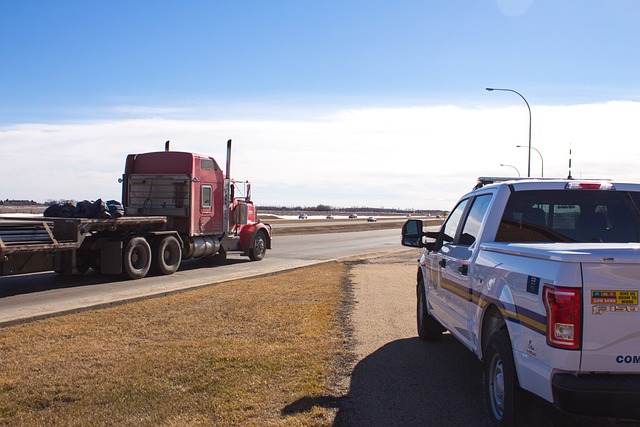
California’s Vehicle Identification Number (VIN) verification process is a critical step in the car registration procedure, ensuring vehicle authenticity and compliance with state regulations. This rigorous inspection aims to combat vehicle fraud and ensure that all registered cars meet safety standards. During VIN verification, an authorized officer examines the unique 17-character VIN plate, which provides vital information about the vehicle’s history, specifications, and previous owners.
A mobile VIN inspection offers a convenient alternative to traditional inspections at fixed locations. With the assistance of advanced technology, professional mobile VIN verifiers can perform this check remotely, making it accessible for owners who may have limited mobility or busy schedules. This modern approach streamlines the registration process, particularly in regions with high vehicle traffic or limited access to stationary inspection centers. For instance, a study by the California Department of Motor Vehicles (DMV) revealed that mobile VIN inspections reduced wait times by 25% on average, enhancing customer satisfaction.
To ensure a smooth VIN verification process, California residents are advised to keep their VIN plate legible and secure. In cases where the plate is damaged or missing, owners can request a replacement from the DMV. Additionally, being prepared with relevant documentation, such as proof of ownership and insurance, can expedite the overall registration procedure. By adhering to these guidelines, drivers can navigate California’s VIN verification requirements with confidence, ensuring their vehicles are legally registered and roadworthy.
Visit a California Department of Motor Vehicles (DMV) Office
To register your car in California, one of the essential steps is to visit a local California Department of Motor Vehicles (DMV) office. This process serves as a cornerstone for ensuring vehicle compliance and safety within the state’s regulatory framework. Upon arrival at a DMV office, you’ll engage in a series of transactions designed to verify your vehicle’s authenticity, history, and condition, with a particular focus on Vehicle Identification Number (VIN) verification. This critical aspect ensures that every registered car matches the official records, guarding against fraud and ensuring road safety.
The VIN is a unique 17-character code that serves as a fingerprint for your vehicle. During your visit, a DMV agent will guide you through the process of checking this number against state databases to confirm its validity. In some cases, they may facilitate a mobile VIN verification—a modern convenience allowing you to perform this inspection remotely using your smartphone—which has become increasingly popular due to its efficiency and accessibility. This method ensures that your car’s history is accurately reflected, including any previous ownership changes, maintenance records, and, importantly, whether it has been involved in any accidents or recalls.
Additionally, the DMV will conduct a comprehensive vehicle inspection, examining key components like lights, brakes, and emissions to ensure they meet California’s safety standards. These inspections, along with VIN verification, are vital steps in the registration process, as they help maintain a safe and reliable fleet of vehicles on state roads. By proactively engaging in these procedures, you not only streamline the registration process but also contribute to a safer driving environment for all Californians.
Complete the Vehicle Registration Application Form

Registering a car in California involves several steps, but completing the Vehicle Registration Application Form is a critical one. This form, often referred to as the DVW Form 137 (Driver/Vehicle License and Registration), requires accurate information about your vehicle and yourself. The first step is ensuring that all data entered matches the vehicle’s official records, including its unique Vehicle Identification Number (VIN). VIN verification is crucial for accuracy; it helps to cross-reference your vehicle’s details with state databases.
One efficient way to conduct this verification is through a mobile VIN verifier. These apps or services enable you to swiftly capture and transmit your vehicle’s VIN to a database, comparing it against official records. For instance, many mobile VIN verifiers can provide immediate validation, including the vehicle’s make, model, year, and history of ownership—all essential details for registration. This modern approach streamlines the process, especially if you’re registering a car purchased privately or out-of-state, where historical data might be less readily accessible.
When filling out the application form, double-check each entry, including the VIN. A simple error can delay your registration. Additionally, ensure that any documents attached—like proof of insurance, vehicle inspection reports, and identification—meet the state’s requirements. The California Department of Motor Vehicles (DMV) provides detailed guidelines on its website, offering a step-by-step process to help applicants navigate each phase of registration smoothly.
Pay the Necessary Fees and Receive Your Registration Documents
After completing the necessary application process for car registration in California, you’ll need to pay the required fees and receive your official registration documents. This step is crucial as it officially establishes your ownership and ensures your vehicle complies with state regulations. The fee structure varies based on several factors, including the type of vehicle and its age. It’s essential to be prepared for these costs, which can be paid online or at designated local offices. California uses the Vehicle Identification Number (VIN) as a unique identifier during the registration process, emphasizing the need for accurate VIN verification. This is where a mobile VIN verifier can come in handy; these apps allow you to quickly and conveniently check a vehicle’s history, including any previous accidents or outstanding issues, by simply scanning the VIN.
When paying your fees, be prepared to submit additional documents, such as proof of insurance and a valid driver’s license. The California Department of Motor Vehicles (DMV) will then process your application and issue your registration certificate and license plate. Once received, ensure you display these documents on your vehicle as required by law. It’s worth noting that late fees apply if your registration expires, so staying up-to-date with renewals is essential to avoid any penalties. The DMV offers various methods for renewal, including online services and mail-in applications, providing flexibility for registered owners.
To streamline the process, consider using a mobile VIN inspection app during or after registration. These tools can help maintain your vehicle’s records and assist in future transactions by providing detailed information about your car’s history, ensuring you’re making informed decisions regarding its maintenance and ownership.
Registering a car in California involves several key steps, from preparing necessary documents to completing the Vehicle Identification Number (VIN) verification process. Crucial among these is understanding the state’s stringent VIN verification procedures, ensuring your vehicle meets all safety and emissions standards. By visiting a local California Department of Motor Vehicles (DMV) office, you’ll engage in a straightforward registration process, filling out the application form accurately and paying applicable fees. Upon completion, you’ll receive official registration documents, rendering your vehicle legally compliant for California’s roads. This authoritative guide provides a clear roadmap to navigating these steps efficiently, underscoring the significance of VIN verification throughout.