

Looking to register your car in California? This comprehensive guide walks you through the process, ensuring a smooth experience. From understanding vital requirements and gathering essential documents for VIN verification to selecting the right registration class and fee, each step is clearly explained. By the end, you’ll be equipped with all you need to submit your application and receive your official registration papers. Let’s dive into the process and navigate California car registration effortlessly.
- Understand California Car Registration Requirements
- Gather Necessary Documents for VIN Verification
- Perform Vehicle Identification Number (VIN) Check
- Select an Appropriate Registration Class and Fee
- Submit Application and Receive Your Registration Papers
Understand California Car Registration Requirements

Before registering your car in California, it’s crucial to understand the state’s specific requirements. Unlike some other states, California mandates a thorough process that involves more than just filling out paperwork. One key step is vin verification, which ensures the vehicle’s unique identification number (VIN) is accurate and matches the make, model, and year of the car. This process helps prevent fraud and ensures only legitimate vehicles are registered.
Additionally, California requires a clean title for registration, meaning there should be no outstanding liens or significant damage to the vehicle. For older cars, a vin inspection by a certified inspector may be needed to verify historical modifications and ensure compliance with safety standards. There are even options like mobile vin verification services that come to your location, making it more convenient for busy individuals to complete this essential step in the registration process.
Gather Necessary Documents for VIN Verification

Before registering your car in California, you’ll need to ensure that all required documents are ready for a successful vin verification. This process is crucial for establishing the vehicle’s identity and history. Gather important papers such as the certificate of title (or proof of ownership), which can often be obtained from the previous owner or the state where the car was last registered. Additionally, you’ll require a valid driver’s license or identification card for both yourself and any linked owners on the registration.
For a smoother vin verification process, consider using services that offer mobile vin inspection or mobile vin verifier. These options allow you to complete the necessary checks without visiting a traditional DMV office. Such services can save time and effort, especially if you’re busy or reside in remote areas, ensuring a more convenient experience during your car’s registration.
Perform Vehicle Identification Number (VIN) Check
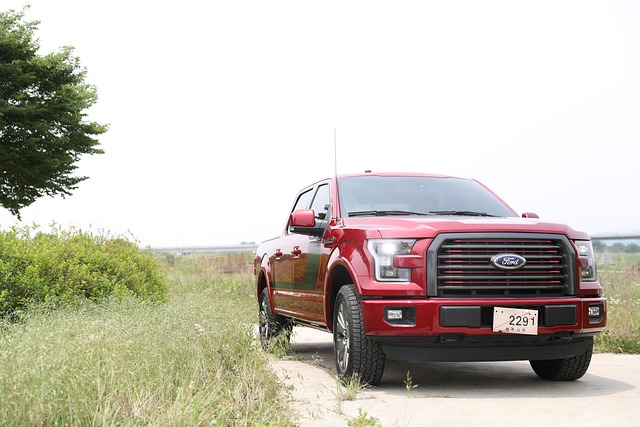
Before registering your car in California, it’s crucial to perform a Vehicle Identification Number (VIN) check. This step is essential for ensuring that the vehicle you’re planning to register is legitimate and has not been reported as stolen or had its identity altered. A VIN inspection involves verifying the unique 17-character code found on the vehicle’s registration label or engine/chassis stamp. You can conduct this check through various official channels, including online databases or by visiting a local California Department of Motor Vehicles (DMV) office.
For added convenience and flexibility, consider opting for a mobile VIN verification service. These services allow you to complete the VIN inspection from the comfort of your home or on-the-go using just your smartphone. By comparing the vehicle’s information with state records, these mobile vin inspection tools ensure that all details match up, providing peace of mind before finalizing the registration process.
Select an Appropriate Registration Class and Fee
When registering your car in California, selecting the right registration class is essential. The state categorizes vehicles into different classes based on factors like age, type, and use. The most common categories include private passenger cars, commercial vehicles, and motorcycles. Each class has specific requirements and associated fees. It’s crucial to verify your Vehicle Identification Number (VIN) during this process as it ensures the accuracy of your vehicle’s details.
The registration fee varies depending on the class and certain additional factors. For instance, older vehicles might have lower fees due to their reduced environmental impact. You can opt for a standard registration or consider specialized options like a historic vehicle registration if applicable. Additionally, services like mobile VIN inspection or verification can streamline the process by providing convenient and accurate vehicle data checks right from your location.
Submit Application and Receive Your Registration Papers

After completing your vehicle’s inspection, the next step is to submit your application and receive your registration papers. Gather all necessary documents, including the completed title transfer form, proof of insurance, and a valid driver’s license. You’ll also need the Vehicle Identification Number (VIN) verification report from your chosen inspector, whether it’s done through a traditional vin inspection or by using a mobile vin verifier.
Make sure to double-check that all information is accurate and complete before submitting. Once your application is accepted, you’ll receive your registration papers in the mail, officially registering your vehicle in California.
Registering a car in California involves understanding specific requirements, gathering essential documents, and completing a VIN verification process. By following these steps, from identifying your vehicle class to submitting the application, you’ll be well on your way to securing your car’s registration. Remember, accurate VIN verification is key to ensuring compliance with state regulations, so take the time to ensure all details are correct before proceeding.