

Registering a car in California is a critical step for any new or existing vehicle owner, ensuring legal compliance and personal protection. However, the process can be complex and time-consuming, particularly with varied requirements across different counties. As such, many find themselves navigating a confusing labyrinth, stumbling upon potential pitfalls like inaccurate documentation or missed deadlines. To streamline this journey, we provide an authoritative guide, offering step-by-step clarity on how to register, emphasizing the significance of a valid VIN verifier for accurate and efficient completion.
- Understand California Car Registration Requirements
- Gather Necessary Documents for Registration
- Perform a Vehicle History Report (VIN Verifier)
- Visit a California DMV Location or Use Online Services
- Complete the Registration Process and Obtain Plates
Understand California Car Registration Requirements

Registering a car in California involves adhering to specific requirements that ensure vehicle safety and compliance with state laws. One of the critical initial steps is understanding the need for accurate Vehicle Identification Number (VIN) verification. The California Department of Motor Vehicles (DMV) mandates that all vehicles entering the state undergo a comprehensive VIN inspection as part of the registration process. This inspection is crucial to validate the vehicle’s history, including its ownership, accident records, and any outstanding recalls or legal issues.
A practical approach to meeting these requirements involves utilizing advanced technology like mobile VIN verifiers. These tools enable users to conduct real-time, on-site VIN inspections, ensuring accuracy and convenience. For instance, many mobile apps now incorporate VIN inspection features, allowing car owners to verify their vehicle’s identity using nothing more than their smartphone. This modern solution not only simplifies the registration process but also enhances its security by reducing potential errors or fraudulent activities associated with traditional paper-based records.
Additionally, it’s essential to consider the broader implications of proper VIN verification. According to recent studies, a significant number of vehicles enter California with altered or hidden VINs, indicating potential criminal activities. Using mobile VIN verifiers can help deter such actions by making it easier for authorities and DMV officials to detect fraudulent modifications. This, in turn, strengthens the state’s overall vehicle registration system, ensuring that all cars on California’s roads meet the necessary safety standards and legal requirements.
Gather Necessary Documents for Registration
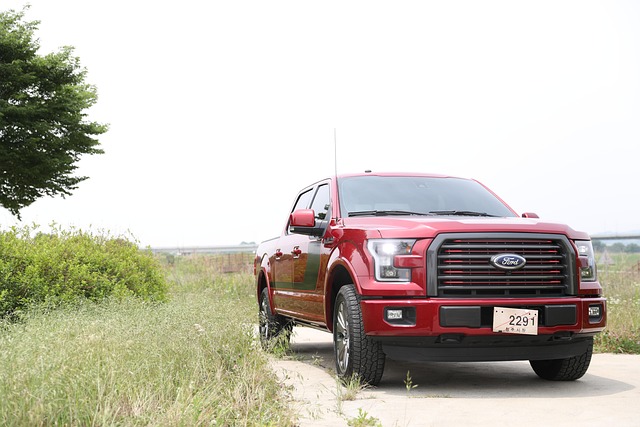
Before you begin the registration process for your vehicle in California, it’s crucial to gather all the necessary documents. This step is a vital part of ensuring a smooth and efficient registration experience. Among the essential papers, the Vehicle Identification Number (VIN) verification stands out as a critical requirement. Utilizing a mobile VIN verifier can significantly simplify this task, allowing you to confirm your vehicle’s history with the convenience of a digital scan.
A valid, up-to-date driver’s license or ID card is a fundamental document needed for registration. Additionally, proof of insurance, which demonstrates financial responsibility, is mandatory. Your vehicle’s title—especially if it’s a purchase rather than a trade-in—is another critical piece. Moreover, you’ll require the most recent registration documents from your previous state, if applicable, to ensure a seamless transfer.
For those dealing with a new vehicle purchase, an original certificate of compliance or vehicle inspection report might be needed. These documents certify that your car meets all necessary safety and emission standards. In cases where there are modifications made to the vehicle, you may need a signed manufacturer’s statement of origin (MSO) or a modification certificate. Utilizing a mobile VIN inspection app can facilitate this process by providing an easy way to record and share these details with the California Department of Motor Vehicles (DMV).
Perform a Vehicle History Report (VIN Verifier)

Before registering your car in California, performing a Vehicle History Report using a VIN verifier is a crucial step. The unique identifier provided by the Vehicle Identification Number (VIN) offers insights into a vehicle’s past, ensuring you’re making an informed purchase. In California, where vehicle registration is a meticulous process, utilizing a mobile VIN inspection service or a mobile VIN verifier can simplify things significantly.
A comprehensive VIN history report will unveil details such as ownership changes, accident records, and maintenance histories. This information empowers Californians to navigate the intricate registration process with confidence. For instance, if your potential purchase has been involved in multiple accidents, this knowledge allows you to make a well-informed decision or negotiate repairs before registration. Mobile VIN verification services are particularly convenient, allowing you to conduct these checks from the comfort of your home or even while at a local dealership.
Integrating mobile VIN inspection into your car-buying journey is a strategic move. It saves time and reduces paperwork, two factors that can be critical during the California vehicle registration process. Moreover, these services provide peace of mind by offering real-time data, ensuring you’re not caught off guard with unexpected issues. For instance, a recent study found that approximately 20% of vehicles in California have some form of undisclosed damage, highlighting the importance of thorough checks. By utilizing modern tools like mobile VIN verifiers, prospective car owners can ensure transparency and avoid potential pitfalls during registration.
Visit a California DMV Location or Use Online Services

Registering a car in California involves a straightforward process, offering both in-person and online options for convenience. One of the key initial steps is ensuring your Vehicle Identification Number (VIN) is accurate and verifiable, which can be done through a trusted mobile VIN verifier or during a VIN inspection at a DMV location. This verification process ensures that you’re providing the correct details for registration, avoiding potential delays or issues down the line.
For those who prefer digital solutions, California’s Department of Motor Vehicles (DMV) offers online services that allow you to register your vehicle remotely. This includes submitting required documents, such as proof of insurance and ownership, electronically. Using a mobile VIN verifier during this process is highly recommended, as it enables quick verification of your vehicle’s history and specifications from the comfort of your home or even while on the go. Several reputable apps and services provide this functionality, making the whole registration experience more efficient.
Alternatively, visiting a local DMV office remains an effective method for registering your car. At these locations, you can interact with knowledgeable staff who can guide you through the process and assist with any questions or issues related to VIN verification or other registration requirements. Some offices even offer specialized services for specific vehicle types, ensuring a smoother experience for all. Regardless of your chosen approach, having your VIN inspected or verified is an integral part of ensuring a successful car registration in California.
Complete the Registration Process and Obtain Plates

After completing the initial registration forms and gathering all necessary documents, it’s time to officially register your car with the California Department of Motor Vehicles (DMV). The next step involves a crucial process: obtaining license plates for your vehicle. This phase is where many drivers often encounter questions or need clarification. Let’s break down how to seamlessly navigate this part of the registration process.
To start, you’ll receive a Vehicle Identification Number (VIN) verification form from the DMV. It’s essential to ensure the VIN is accurate and easily accessible. Consider utilizing a mobile VIN verifier to quickly validate the number—this service can be a time-saver, especially for those with limited mobility or access to traditional inspection stations. The process typically involves inputting your VIN into an app, which then provides detailed vehicle information, including its history. Once confirmed, you’ll need to present this form alongside other required documents at a DMV field office. Here, a friendly agent will inspect the vehicle and verify its authenticity using the provided VIN details.
Upon successful inspection, you can proceed with plate issuance. The DMV will provide you with a set of personalized license plates tailored to your vehicle’s make, model, and year. These plates must be displayed on your car at all times when driven on California roads. Remember, proper documentation and accurate VIN verification are vital steps to ensure your vehicle complies with state regulations. By taking this process seriously, you contribute to the overall integrity of California’s motor vehicle system.
Registering a car in California involves understanding key requirements, gathering essential documents, performing a Vehicle History Report using a VIN verifier, visiting a DMV location or utilizing online services, and completing the registration process to obtain plates. By following these steps and leveraging tools like the VIN verifier, you can ensure a smooth and efficient car registration experience. This authoritative article equips you with the knowledge needed to navigate California’s car registration process confidently, emphasizing practicality and accuracy every step of the way.