

Looking to register your car in California? This comprehensive guide breaks down the process step-by-step. First, understand the eligibility requirements for car registration in the Golden State. Next, gather all necessary documents for a smooth DMV visit, including proof of ownership and insurance. Learn how to perform a DMV VIN verification, complete the registration application, and pay fees. Finally, obtain your license plate and register your vehicle online conveniently.
- Understand Eligibility Requirements for Car Registration
- Gather Necessary Documents for DMV Visit
- Perform VIN Verification: Step-by-Step Guide
- Complete Application and Pay Registration Fees
- Obtain License Plate and Register Vehicle Online
Understand Eligibility Requirements for Car Registration

Before you begin the registration process, it’s crucial to ensure your vehicle meets California’s eligibility requirements. All vehicles used on public roads must be properly registered and have a valid safety inspection. This includes checking that the car is in good working order and meeting emission standards. One essential step is the DMV VIN verification, which ensures the vehicle’s identity and history are accurately documented.
For those considering a mobile vin verifier or arranging a vin inspection, it’s important to know that these services can streamline the process by providing instant access to a car’s history and specifications. This information is vital when registering a vehicle in California as it helps verify ownership and prevent fraud.
Gather Necessary Documents for DMV Visit

Before visiting a California DMV office, make sure to gather all the necessary documents for car registration. This includes your vehicle’s registration certificate from the previous state, proof of insurance, and a valid driver’s license. Additionally, you’ll require a completed Application for Title and Registration form, which can be acquired online or in person at the DMV. A crucial step is to ensure accurate and up-to-date information on your Vehicle Identification Number (VIN). Many individuals opt for a mobile VIN verifier or perform a mobile VIN inspection to cross-check these details before their DMV visit. This ensures a smoother process, as incorrect VIN information can lead to delays in registration.
Among the documents, the most critical is the title, which establishes ownership. If you’ve recently purchased the vehicle, ensure that the title transfer is complete from the previous owner. A mobile VIN verification service can assist in confirming the vehicle’s history and identifying any potential issues, making the registration process more efficient. Remember to bring along all required documentation to avoid complications during your DMV visit.
Perform VIN Verification: Step-by-Step Guide
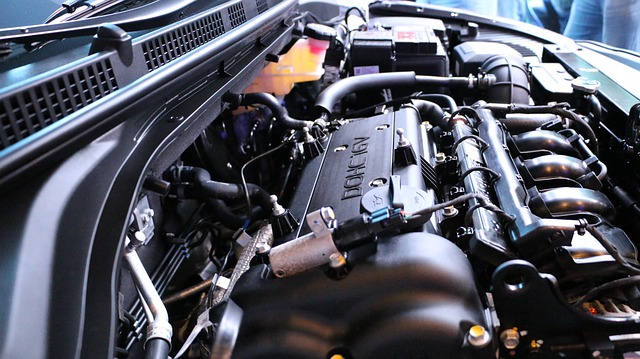
Performing a Vehicle Identification Number (VIN) verification is a crucial step in the car registration process in California. This procedure ensures that your vehicle’s details match those on record with the Department of Motor Vehicles (DMV). Here’s a straightforward guide to help you navigate this process.
1. Obtain Your VIN: Find your vehicle’s VIN, usually located on the driver’s side of the dashboard or inside the glove compartment. If you’re buying a used car, ensure you get the VIN from the seller.
2. Choose a Mobile Vin Verifier: Consider using a mobile vin verifier service for convenience. These services send an inspector to your location, providing a quick and hassle-free inspection. Alternatively, you can visit a local DMV office or authorized agent for a manual vin inspection.
3. Compare Results: After the verification, compare the reported VIN details with those in your car’s documentation (e.g., title, registration). Ensure all information matches precisely. Any discrepancies may require further investigation and could delay registration.
4. Complete Registration: Once the VIN is verified, you can proceed with the California car registration process. This includes submitting necessary documents, passing emissions tests (if applicable), and paying the required fees at a DMV office or online.
Complete Application and Pay Registration Fees

After gathering your necessary documents, it’s time to complete the registration process at the California DMV (Department of Motor Vehicles). Fill out a Vehicle Registration Application, ensuring all information is accurate and matching your vehicle’s details. This includes providing the Vehicle Identification Number (VIN) for a successful dmv vin verification. The VIN inspection ensures the vehicle’s history and identity match the information on file.
Once your application is complete, submit it along with the required registration fees. These fees vary based on the type of vehicle and its age. You can typically pay online or in-person at your local DMV office. For a more convenient option, consider arranging a mobile vin inspection or mobile vin verification service to have your VIN checked off-site, saving you a trip to the DMV.
Obtain License Plate and Register Vehicle Online

Obtaining a license plate and registering your vehicle online is a convenient and efficient way to complete the process in California. The first step involves performing a DMV VIN verification, which checks the vehicle’s history and ensures it complies with regulations. You can conduct this vin inspection easily through an official mobile vin verifier app, making it accessible from the comfort of your home or on-the-go.
Once verified, you’re ready to register. The California Department of Motor Vehicles (DMV) offers an online registration service that allows you to enter your vehicle’s details and upload necessary documents. This streamlines the process, eliminating the need for visits to a DMV office. With just a few clicks, you can securely register your car and obtain the corresponding license plates.
Registering a car in California is a straightforward process, but understanding the requirements and gathering the right documents is essential. By following these steps, from fulfilling eligibility criteria to completing the online registration, you can efficiently navigate the DMV vin verification process. Remember, proper vehicle registration not only ensures legal compliance but also contributes to safer roads for all California drivers.