

Learn how to register your car in California with our comprehensive guide. First, understand the eligibility and requirements, including owning a valid title and passing DMV VIN verification. Gather essential documents for the inspection process, ensuring your vehicle is ready for transfer. Visit a local DMV or use online services for registration convenience. Pay fees and obtain your certificate—a crucial step in legally operating your vehicle in California. Remember, successful car registration starts with accurate DMV VIN verification.
- Understand Eligibility and Requirements for Car Registration in California
- Gather Necessary Documents for DMV VIN Verification
- Prepare Your Vehicle for Inspection and Title Transfer
- Visit a California DMV Office or Use Online Services for Registration
- Pay Registration Fees and Obtain Your Vehicle's Registration Certificate
Understand Eligibility and Requirements for Car Registration in California

Before diving into the registration process, it’s crucial to understand the eligibility and requirements for car registration in California. To register your vehicle, your car must meet certain criteria set by the Department of Motor Vehicles (DMV). One key step is ensuring your car has passed a recent safety inspection, which includes a DMV VIN verification. This process confirms that your vehicle’s unique Vehicle Identification Number (VIN) is accurate and matches the records on file.
Additionally, you’ll need to provide proof of insurance and pay the corresponding registration fees. California offers both online and in-person registration options. If you opt for a mobile vin inspection or choose to conduct a DIY vin verification, ensure these methods are approved by the DMV to avoid any potential issues during the registration process.
Gather Necessary Documents for DMV VIN Verification

To register your car in California, you’ll need to go through a rigorous process that includes gathering essential documents for DMV VIN verification. The first step is to ensure all paperwork related to ownership and vehicle identification is up-to-date and accurate. This typically includes proof of purchase, a bill of sale, or any other legal document that establishes your ownership. Additionally, you’ll require the Vehicle Identification Number (VIN) from your car, which can usually be found on the vehicle’s registration label or in its manual.
For a seamless dmv vin verification process, consider utilizing services like mobile vin inspection or a mobile vin verifier. These options allow for more convenient and efficient checks, as they can conduct the necessary inspections outside of traditional DMV offices. By having all your documentation ready, including the VIN, you’ll be well on your way to completing the registration process in California.
Prepare Your Vehicle for Inspection and Title Transfer

Before you can register your vehicle in California, it’s crucial to ensure that your car is ready for the state’s strict safety and emission standards. The first step is to get your vehicle inspected to confirm it meets these requirements. This involves a thorough check of various components, including lights, brakes, tires, and emissions systems. You’ll need to schedule an appointment at a certified inspection station or, in some cases, request a mobile vin verification service that can come to you for a convenient and efficient inspection process.
Additionally, you must have the proper title documents ready for the Title Transfer process. The California Department of Motor Vehicles (DMV) requires original or certified copies of the vehicle’s title, along with any necessary forms and fees. Ensure that all information is accurate and up-to-date, including the odometer reading, to avoid delays. A mobile vin verifier can also assist in this step by providing a quick and reliable way to verify your vehicle’s history and ensure all paperwork is in order for a smooth title transfer.
Visit a California DMV Office or Use Online Services for Registration
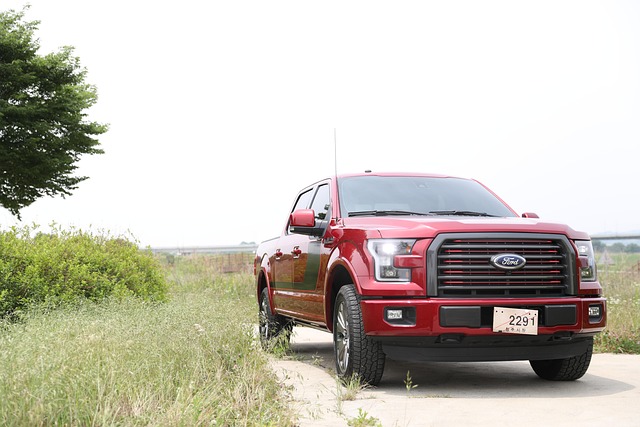
In California, registering your car involves either visiting a local DMV office or utilizing online services. If you prefer a more traditional approach, heading to a California Department of Motor Vehicles (DMV) office is still an option. You’ll need to bring essential documents like proof of ownership and identification. The staff can guide you through the registration process, which includes submitting applications, paying fees, and passing any necessary inspections, such as a DMV VIN verification.
For those who prefer convenience, California’s DMV offers online registration services that allow you to complete most steps from the comfort of your home. You can start by conducting a mobile VIN inspection or using a mobile vin verifier to ensure your vehicle meets all requirements. Once your documents are prepared, you can submit them digitally, making registration faster and more efficient than ever before.
Pay Registration Fees and Obtain Your Vehicle's Registration Certificate

After you’ve completed the necessary forms and gathered all required documents, it’s time to pay the registration fees. These fees vary depending on several factors, including your vehicle’s type, age, and emission status. You can typically pay online through the DMV website or in person at a local DMV office. Once your payment is processed, you’ll receive your Vehicle Registration Certificate, also known as a registration card or tag. This document is crucial for legal driving, and it provides proof of your vehicle’s registration status.
As an alternative to traditional methods, some services now offer mobile vin inspection and verification, allowing you to complete this step conveniently from the comfort of your home or office. These mobile vin verifiers use the unique vehicle identification number (VIN) to cross-reference data with the DMV, ensuring a swift and accurate process. This modern approach is becoming increasingly popular due to its efficiency and ease.
Registering your car in California is a straightforward process, but it requires careful preparation. By understanding the eligibility criteria, gathering the necessary documents for DMV VIN verification, and ensuring your vehicle meets inspection standards, you’re well on your way to securing your vehicle’s registration. Whether you visit a local DMV office or use online services, the final steps involve paying the required fees and obtaining your registration certificate. Remember, proper documentation and adherence to California’s regulations are key to a smooth registration experience.